
Understanding the Perception of Luck
Luck is often viewed as the primary factor in gambling, but the reality is more complex. Many believe that a lucky charm or a special ritual can sway the odds in their favor. However, the outcomes in games like slot machines and roulette are determined by random number generators and probability, making luck a fleeting and unreliable guide. Relying solely on luck can lead to disappointment, as it’s crucial to recognize the role of strategy and knowledge in gaming, especially when exploring options like online casino fast withdrawal methods that enhance the overall experience.
Gambling enthusiasts frequently share stories of “lucky” friends who seem to win more often than others, reinforcing the myth that some people possess a unique affinity for winning. In truth, while some individuals may experience a string of good luck, the law of averages suggests that everyone has an equal chance of victory over time. Understanding the mathematics behind each game can help demystify the notion of luck, allowing players to make informed decisions based on odds rather than superstitions.
Ultimately, while luck can play a role in the short term, it is the long-term strategies and understanding of the game mechanics that significantly influence outcomes. Players who familiarize themselves with odds and employ responsible betting strategies stand a better chance of enjoying their casino experience while managing their risks. These insights challenge the simplistic notion that luck is the sole determinant of gambling success, encouraging a more analytical approach to gaming.
The Myth of the Perfect Strategy
Many gamblers believe that a foolproof strategy can guarantee consistent wins, leading to the misconception that gaming systems or strategies can be perfect. While certain strategies can improve odds, no method can eliminate the inherent house edge present in most casino games. For instance, while card counting can provide an advantage in blackjack, it is not foolproof and may lead to consequences if detected. Understanding the limitations of any strategy is vital for responsible gambling.
This myth is perpetuated by anecdotal evidence from winning players who attribute their success to a specific strategy. In reality, these instances are often exceptions rather than the rule. Each game has its own set of rules and probabilities, which means that methods successful in one context may not work in another. This underscores the importance of understanding the specific dynamics of each game rather than relying on generalized strategies that promise unrealistic results.
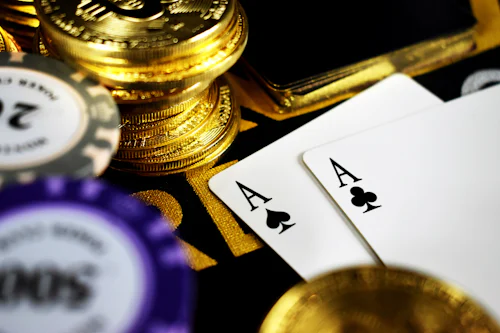
In a casino environment, it’s essential to approach gambling with a mindset focused on enjoyment rather than expectation. While strategizing can enhance the gaming experience, the key takeaway is to acknowledge that no strategy can guarantee a win. A balanced approach that combines learning, enjoyment, and risk management will lead to a more fulfilling and sustainable gambling experience, dispelling the myth that a perfect strategy exists in a world defined by chance.
Casino Loyalty Programs: The Real Benefit?
Casino loyalty programs are often marketed as significant incentives for players, leading to the belief that they are a pathway to substantial rewards. While it’s true that these programs can offer perks such as free meals, accommodations, or bonuses, the reality is that the benefits do not outweigh the costs incurred by most gamblers. Many players may find themselves spending more to achieve a particular status than they would if they simply played without the program’s influence.
Moreover, the fine print often associated with loyalty programs can obscure the actual benefits. Players may need to accumulate a substantial number of points or meet specific criteria to access rewards, which may not be as advantageous as initially perceived. This can create a false sense of value, leading gamblers to spend excessively in pursuit of rewards that may not offer significant returns. A critical assessment of these programs is necessary to see through the façade of generous rewards, allowing players to make informed choices.
In the end, while loyalty programs can enhance the casino experience by providing additional perks, they should not be the primary motivation for gambling. It’s essential for players to recognize the potential downsides and to engage in responsible gambling practices. By focusing on enjoyment rather than solely on rewards, players can ensure that their gaming remains a pleasurable endeavor without falling into the trap of chasing loyalty benefits that may not deliver value in the long run.
The Role of Alcohol in Gambling
Alcohol is often associated with the casino environment, leading to the myth that drinking can enhance a gambling experience. While it’s true that some players may feel more relaxed or emboldened after a drink, the reality is that alcohol can impair judgment and decision-making. Many gamblers find themselves making impulsive bets or escalating their wagers under the influence, which can lead to detrimental financial consequences. Awareness of this dynamic is crucial for responsible gambling and maintaining control over one’s choices.

Casinos are well aware of the effects of alcohol on players and often provide complimentary drinks to encourage longer gaming sessions. This practice can create an environment where players are more likely to lose track of time and money, leading to a cycle of chasing losses. It becomes essential for individuals to remain mindful of their alcohol consumption while gambling, understanding that maintaining clarity can help them make better decisions and enjoy their experience without negative repercussions.
Ultimately, while alcohol might seem to contribute to a more carefree casino atmosphere, it can cloud judgment and lead to excessive gambling. Players should be cautious and set personal limits regarding both their gambling and alcohol intake. By remaining vigilant and focused, individuals can enjoy the social aspects of the casino environment without sacrificing their financial well-being, dispelling the myth that alcohol is a beneficial enhancement to gambling.
Your Guide to Responsible Gambling
Your gaming experience should prioritize enjoyment and entertainment, and understanding the myths surrounding gambling is a vital part of that. By dispelling false beliefs about luck, strategy, rewards, and alcohol, players can cultivate a more informed and responsible approach to gambling. Knowledge empowers players to make better decisions and enjoy their time at casinos without falling victim to misconceptions that could lead to irresponsible behavior.
It’s crucial to recognize that gambling should always be seen as a form of entertainment rather than a means to achieve financial gain. Setting limits, recognizing when to take breaks, and understanding games’ rules can significantly enrich the gambling experience. Engaging with casinos that prioritize player education also enhances your understanding of responsible gambling practices and helps build a safer gaming environment for everyone, fostering a culture of responsibility.
Whether you’re a seasoned player or new to the casino scene, staying informed and aware of the realities of gambling will improve your overall experience. Embrace a mindset of enjoyment and learning, allowing for personal growth in your gaming journey. You deserve to have a fun, safe, and responsible gambling experience that aligns with your values and goals, ensuring that your time in the casino is both enjoyable and sustainable.